- LIONAIRY
- Posts
- Owning Your Failures: The Path to True Repentance and Growth
Owning Your Failures: The Path to True Repentance and Growth
Weekly Edition #4: February 12, 2024
Verse I Like:
7 Then Nathan said to David, “You are the man! This is what the Lord, the God of Israel, says: ‘I anointed you king over Israel, and I delivered you from the hand of Saul.
8 I gave your master’s house to you, and your master’s wives into your arms. I gave you all Israel and Judah. And if all this had been too little, I would have given you even more.
Mane Message
King David. A man after God’s own heart. Still, he had his flaws and shortcomings.
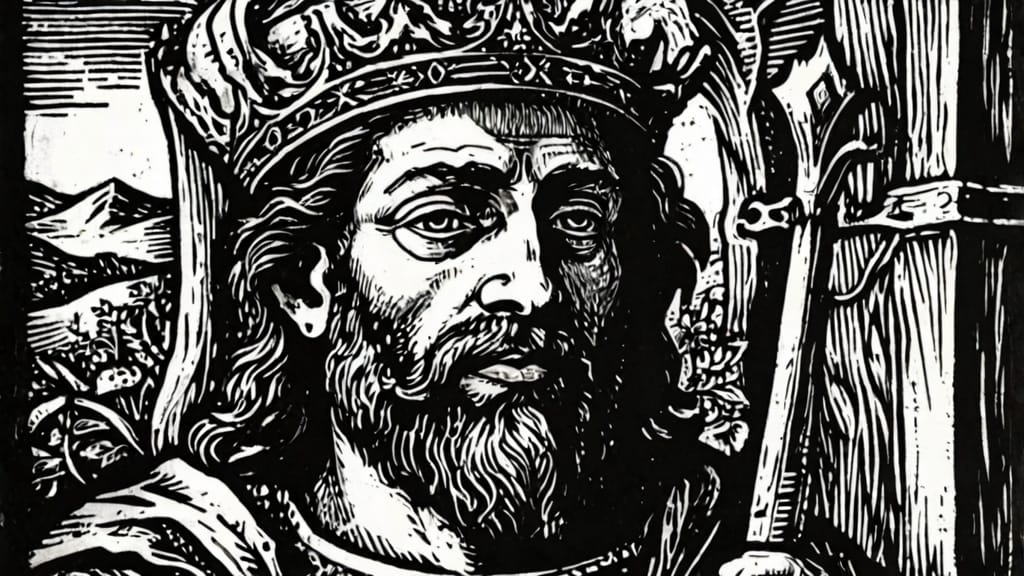
Of these, was how he lusted for Bathsheba to the point of murdering one of his soldiers, Uriah, with the sword of Israel’s enemies. The story is told in 2 Samuel 11, in which, King David stays behind in Jerusalem while his army, led by Joab, goes to war. One evening, David sees Bathsheba, the wife of Uriah, bathing. Overcome by desire, he sends for her and sleeps with her, resulting in her pregnancy.
To cover up his sin, David summons Uriah from battle, hoping he will sleep with his wife and believe the child is his. However, Uriah, a loyal soldier, refuses to enjoy comforts while his comrades are at war. Frustrated, David orders Joab to place Uriah on the front lines where he is killed.
After Uriah’s death, David marries Bathsheba, but God is displeased with his actions.
This leads us to 2 Samuel 12, a truly profound chapter. Nathan, a prophet at the time, is sent to King David by the Lord. He tells David a story of an injustice that took place in his kingdom. Nathan tells David:
There was a rich man who had many sheep and cattle, while the poor man had only one small lamb, which he cherished like a daughter. He fed it, let it drink from his cup, and even allowed it to sleep in his arms. One day, when the rich man had a guest, instead of taking from his own flock, he stole the poor man’s beloved lamb and prepared it for his visitor.
Outraged by the injustice, David declares that the rich man deserves to die and must repay four times over for what he had done.
Nathan then yelled at David “You are that man!”
Nathan continues to tell David, this is what the Lord, the God of Israel, says: ‘I anointed you king over Israel, and I delivered you from the hand of Saul. I gave your master’s house to you, and your master’s wives into your arms. I gave you all Israel and Judah. And if all this had been too little, I would have given you even more. Why did you despise the word of the Lord by doing what is evil in his eyes? You struck down Uriah the Hittite with the sword and took his wife to be your own. You killed him with the sword of the Ammonites.’
David, struck by the weight of his sin, humbly repents before God, acknowledging his wrongdoing without excuse. Though God forgives him, the consequences of his actions unfold as prophesied. Yet, even in judgment, God's mercy is evident—He does not remove David from the throne, and from his lineage will come Solomon, and one day, the Messiah. This moment marks a turning point in David’s life, demonstrating that while sin carries consequences, true repentance brings restoration and a renewed relationship with God.
There are (at least) 4 things to take away from this story:
Sin is Often Clearer in Others Than in Ourselves – David was quick to condemn the rich man in the parable but had been blind to his own wrongdoing. We often judge others harshly while excusing our own sins.
Sins Always Yield to the Light – David, despite being a man after God’s heart, was not above judgment. God used Nathan to hold him accountable. Even though David was forgiven, the earthly consequences of his actions remained.
Repentance Begins with Realization – The moment Nathan says, "You are the man!", David recognizes his sin. The severity of his sin sets in. True change starts when we acknowledge our failures.
True Repentance & Mercy – David admitted his wrongdoing without excuses, showing genuine repentance. While David faced discipline, God still blessed him, as seen in the birth of Solomon.
Even in the midst of our failures and consequences, God’s grace remains—offering redemption, transforming lives, and fulfilling His greater purpose through those who turn back to Him.
Quotes I Like:
“Every saint has a past, and every sinner has a future."
"Never ruin an apology with an excuse."
"You can’t go back and change the beginning, but you can start where you are and change the ending."
5 to Build On
Confront Reality—Own Your Failures: Stop lying to yourself. If you’ve done something wrong, face it directly. Excuses and self-deception only prolong suffering.
Let Guilt Refine You—Not Destroy You: Guilt is a tool, not a sentence. If you feel shame, use it to fuel self-improvement rather than self-pity.
Articulate Your Wrongdoing—Then Make It Right: Be brutally honest. Write it down, say it aloud, and admit it to someone if necessary. Then ask yourself: What can I do to repair the damage?
Change Your Habits—Or Stay the Same Person: If you don’t change your actions, you were never sorry—you were just uncomfortable. True repentance is can only be revealed through disciplined action.
Move Forward—Wiser and Stronger: Accept that you are flawed but capable of becoming better. Carry the lesson, not the burden.
Weekly Writing Prompt
Think of a time when you made a mistake—one that still lingers in the back of your mind. Maybe it was something you said, something you did, or something you failed to do.
What was the moment? Be brutally honest.
What excuses did you tell yourself at the time?
If you could go back, what would you do differently?
What’s stopping you from making it right now?
Now, imagine you are writing a letter—not to the person you wronged, but to yourself. What would you say if you were both the judge and the one seeking forgiveness? Would you accept your own apology?
Enjoying our Content?
Onward and Upward!
